Committees
SOCHUM
CRISIS
UNSC

REGIONAL FOCUS
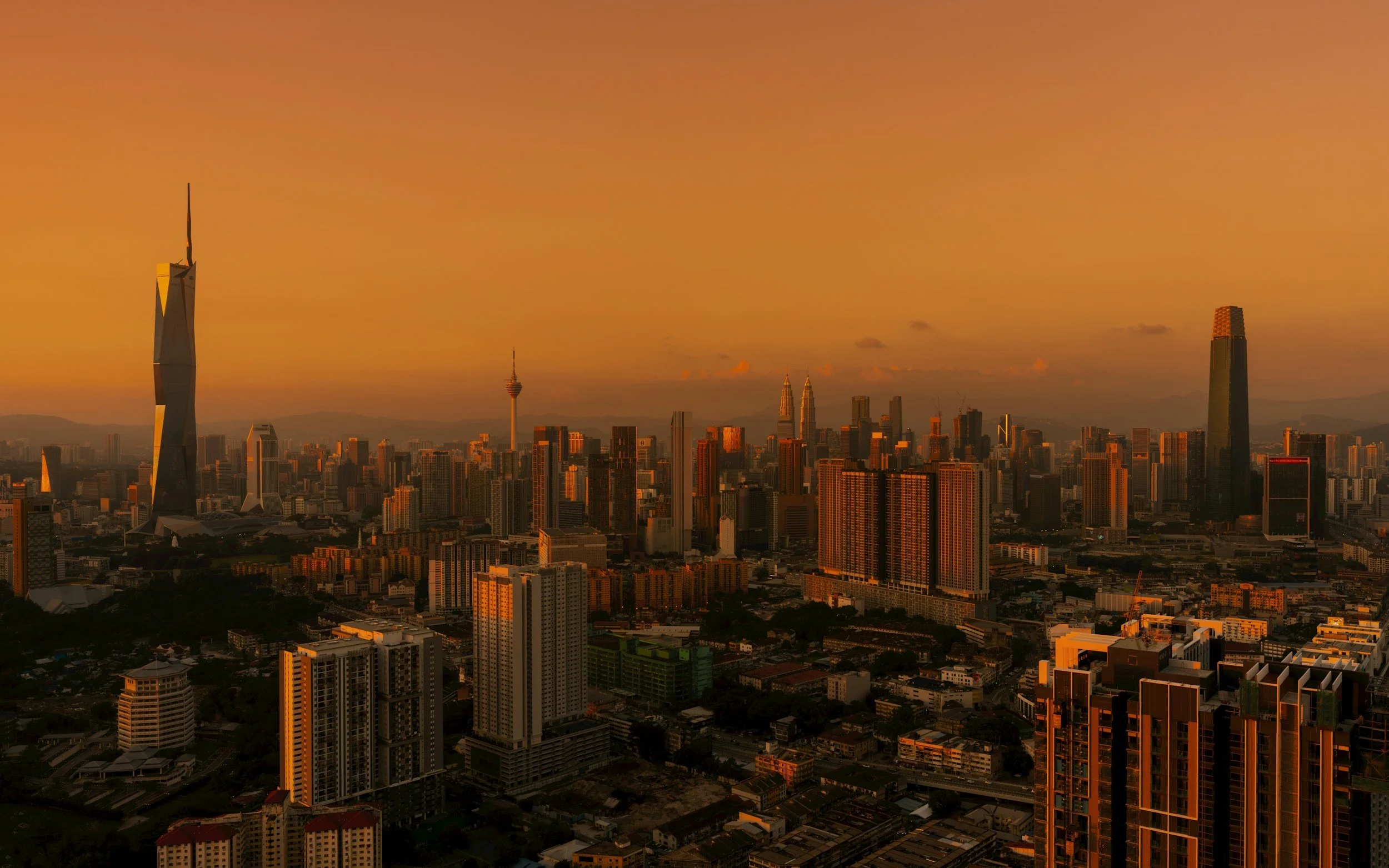
INDO-PACIFIC
As delegates of the Washington International Relations Conference (WIRC), you will be immersed in the diverse region of the Indo-Pacific. This area, comprising over 40 countries and territories, is characterized by a wide variety of cultures, histories, and political systems. From the frozen peaks of the Himalayas to the floodplains of the Bay of Bengal, the region's geography is home to more than 4 billion people speaking hundreds of languages, including Bengali, Hindi, Urdu, Nepali, Burmese, and many others.
The Indo-Pacific's modern political and social dynamics are deeply influenced by centuries of maritime trade, colonial rule and partition, waves of decolonization, Cold War proxy conflicts, and efforts at regional cooperation such as ASEAN and SAARC. These legacies continue to shape the region's contemporary challenges and opportunities, including mass displacement and cross-border migration, entrenched state corruption and threats to a free press, contested indigenous land and language rights, exploitative labor in global supply chains, public health collapse and environmental degradation, and unresolved debates over sovereignty and self-determination.
During WIRC, you will engage with critical issues affecting the region, including economic development, political cohesion, security policy, social justice, environmental sustainability, and regional cooperation. Through debate and negotiation, you will work towards innovative solutions that reflect the diverse perspectives and aspirations of this complex and dynamic region. This experience will not only deepen your understanding of the Indo-Pacific Region as a whole, but also enhance your skills in diplomacy and international relations.

ABOUT WIRC
What is WIRC?
The Washington International Relations Conferences creates an environment for delegates to improve their Model UN skills, whether this is their first experience or one of many. All are welcome at WIRC, and staffers seek to include delegates of different levels by meeting students where they are, providing personalized feedback, and helping them improve to the best of their ability.
Award Winning Staff
Our conference is staffed by the #1 ranked Model United Nations collegiate team in North America, WIRC ensures delegates will have a high-quality educational experience. Passionate about MUN, we want to ignite in delegates a similar interest in international relations, the diplomatic process, and intergovernmental cooperation. As one of WIRC’s values, this is at the heart of everything we do. We hope WIRC will encourage delegates to take their knowledge gained here and participate in subsequent conferences as well.
WIRC Anywhere
Whether delegates are participating in WIRC XIV online or in-person, they can enjoy the benefits of Washington, DC. In-person WIRC delegations are a stone’s throw away from major centers where world-altering International Relations policy decisions are made. Online, delegates can appreciate a speaker with connections to the district and listen from staffers who have intern and work experience in the nation’s capital.
Transforming Learning Into Action
After spending the morning in WIRCshops, students will have the opportunity to put the skills they learned to the test in a 3-hour simulation. This year at WIRC, we will have simulations for every delegate—General Assembly, Crisis, and United Nations Security Council. The learning process doesn't stop at the conclusion of the workshop sessions--our simulation leaders are there as enthusiastic resources throughout the course of the conference. Through formal instruction and an interactive, engaging experience, WIRC aims to make sure that delegates are fully grasping new concepts they've learned, while also having fun.